From Idea to Execution: The Way Deck Builders Transform Your Ideas Into Reality
Deck construction professionals play a critical role in transforming outdoor spaces. They start by gaining insight into client requirements and tastes, guiding them through material selections and design options. This teamwork-based method ensures the completed structure reflects the homeowner's expectations. As the build moves forward, contractors handle regulatory considerations and preserve clear dialogue. Yet, many may wonder what specific steps are involved in this process and how it impacts the overall outcome.
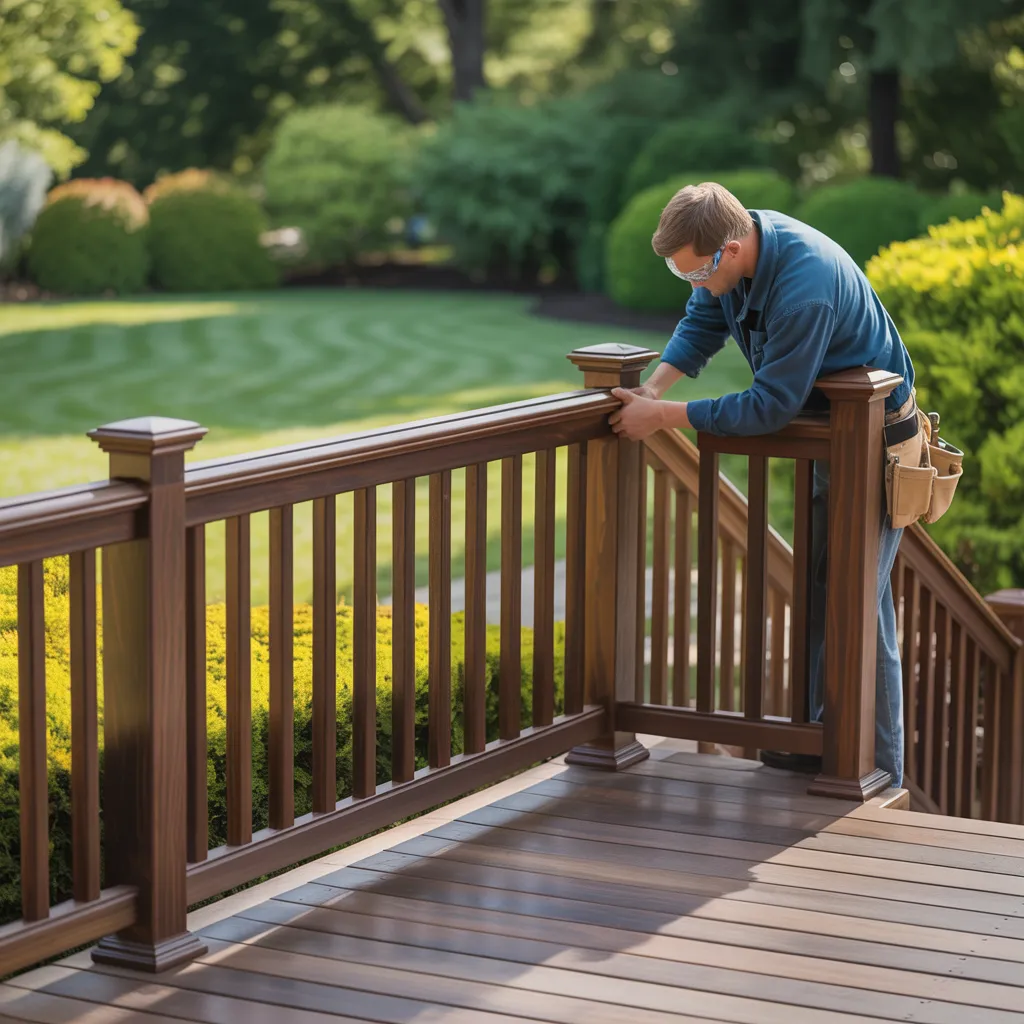
Key Questions to Help You Define Your Perfect Deck
When envisioning the perfect deck, what foundational elements should one consider? As a starting point, people need to determine their central objective for the deck. Is it designed for entertaining visitors, spending quality time with family, or taking time to relax independently? Identifying the main objective plays a major role in shaping design decisions.
Following this, the ideal measurements and design should be determined. This includes examining available space and how the structure will blend with surrounding structures and landscape features.
Furthermore, consideration should be given to the outdoor space's positioning and sunlight access. This impacts the level of comfort during the day and affects the selection of materials.
Lastly accessibility is crucial; convenient access to the home and its surrounding spaces will improve functionality. By tackling these important considerations, homeowners can develop a focused vision that lays the groundwork for their perfect deck, guaranteeing it satisfies their personal lifestyle demands while complementing the overall outdoor setting.
Picking Decking Materials for Your Perfect Outdoor Living Space
Choosing the ideal materials for a deck can greatly influence both its appearance and longevity. Homeowners regularly explore a range of options, including PVC, wood, and composite materials. Natural wood, such as redwood or cedar, delivers a timeless look and can be stained or painted to match any design. That said, it demands routine upkeep to protect against rot and splintering.
Composite products, a blend of plastic and wood fibers, provide an easy-to-maintain option that resists fading and staining. The wide range of available colors and textures makes them an attractive choice for a wide range of homeowners.
PVC decking material, made learn now entirely from plastic, provides outstanding durability and moisture resistance, ensuring longevity in various climates.
At the end of the day, the determination of building materials should match the homeowner's vision, budget constraints, and upkeep requirements, creating a personalized exterior space that reflects their personal style while remaining durable over time.
Developing Your Deck Design: Engaging With Industry Professionals
Turning a concept into a beautiful deck design typically necessitates partnering with seasoned experts. Skilled deck builders and design experts partner with homeowners to gain insight into their preferences, lifestyle, and design aspirations. The process starts with a preliminary consultation, where ideas are exchanged and fundamental requirements are established.
Experts apply their expertise to recommend materials, layouts, and features that align with the homeowner's desired outcome while maintaining functionality and durability. They often offer three-dimensional renderings, allowing clients to visualize the final product and reach well-informed decisions.
During the design journey, clear communication plays a vital role. Clients are welcomed to voice their opinions and considerations, while professionals offer guidance and insights. This partnership not only boosts innovative thinking but also streamlines the design process, ensuring that the final deck reflects the homeowner's unique style and needs. At its core, the joint effort fosters a natural progression from concept to a stunning exterior living area.
Deck Construction Permits: What You Should Know?
As the planning process moves forward, grasping the regulatory framework becomes critical for homeowners planning to build a deck. Deck construction permits are commonly mandated to ensure adherence to local building codes and zoning regulations. These permits safeguard the structural integrity and safety of the deck, accounting for elements including height, size, and positioning.
Property owners are advised to start by reaching out to their local building department to identify detailed requirements. The process usually entails providing detailed plans, which outline the deck's construction and materials. Moreover, some localities may mandate inspections at various construction stages.
Failing to obtain the required permits can lead to penalties, forced removal, or setbacks in the building process. It is advisable for homeowners to partner with experienced deck builders who have knowledge of local regulations, facilitating a smoother shift from design to construction and avoiding potential pitfalls tied to permit acquisition.
What Happens During the Deck Construction Phase
Throughout the deck building process, homeowners can expect a structured approach that brings their designs to life. First, the construction area will be readied, ensuring it is even and free of any obstructions. The deck construction team will then map out the design based on the approved blueprints, identifying critical locations for posts and beams.
Next, they will establish the base components, including support posts and footings, which give the structure stability. Once the structure is in place, the construction team will incorporate the decking material and joists, ensuring precise alignment and spacing. Throughout this process, clients can look forward to regular updates and communication from the construction team, responding to any questions or concerns.
Safety is of the utmost importance, so contractors will comply with local building codes and regulations. Upon completion, once construction is complete, a comprehensive inspection will verify the deck meets all specifications, paving the way for the final enhancements that will improve the overall visual appeal.
Post-Build: Vital Deck Upkeep Advice
Once deck construction has been successfully completed, preserving its integrity and appearance becomes essential for homeowners. Consistent maintenance not only boosts the deck's visual appeal but also increases its longevity. To begin, homeowners should routinely clean the deck, clearing away debris and dirt to inhibit mold growth. It is advisable to use a mild cleanser and a soft brush to prevent surface damage.
Sealing the deck is crucial, above all for timber-based decks. Quality sealant defends against moisture, UV exposure, and weather damage. Homeowners should reapply sealant every one to three years, depending on environmental conditions.
Examining for worn boards, loose nails, or structural problems should be done seasonally. Quick repairs can stop more serious damage from occurring. Moreover, strategic furniture positioning and the placement of protective mats can assist in limiting wear and tear. By adhering to these upkeep suggestions, homeowners can ensure their deck stays an attractive and practical outdoor area for many years ahead.

Commonly Asked Questions
How Long Does the Entire Deck Building Process Typically Take?
The complete deck construction process typically takes one to several weeks in total, depending on factors such as design intricacy, the availability of materials, and weather conditions. Each project is unique, influencing the overall timeline notably.
What Are the Most Popular Design Trends for Decks Today?
Nowadays, trending design choices for decks include multi-tiered designs, embedded lighting, eco-friendly materials, and open-concept designs that connect interior and exterior living areas. Nature-inspired finishes and striking colors are rising in demand with residential property owners pursuing contemporary design appeal.
Can I Add Features Like Lighting or Seating Later?
Certainly, upgrades like lights or seating options can be included at a future date. Experienced deck constructors often advise accounting for future upgrades during the primary construction phase to ensure cohesive inclusion and keep the structure sound while accommodating evolving design preferences.
In What Ways Do Weather Conditions Impact the Construction Timeline?
Weather plays a significant role in affecting construction schedules. Precipitation, freezing conditions, or severe temperatures may disrupt material shipments, reduce worker efficiency, and impair equipment performance, ultimately extending the project's duration and requiring careful planning to mitigate these potential setbacks.
What Warranties or Guarantees Do Deck Builders Typically Offer?
Deck contractors generally provide warranty coverage for both labor and materials, covering periods of one to ten years. Many builders may additionally provide lifetime warranties on select products, providing assurance of durability and satisfaction for the entire life of the deck.